Guide
Choosing siding for Long Island weather
Long Island houses take wind from nor'easters and tropical storms, sun on south walls and, near the water, salt air. Each siding material handles those differently.
Material by material
How each one holds up
- VinylLight and low upkeep. Ask for the product's published wind-load rating on exposed walls, and hang it loose so it can move with heat.
- Fiber cementHeavy and rigid; its makers sell it as non-combustible. Holds paint well; joints, cut ends and clearances need care.
- Engineered woodWood look, lighter than fiber cement, long boards. Depends on sealed edges and good flashing.
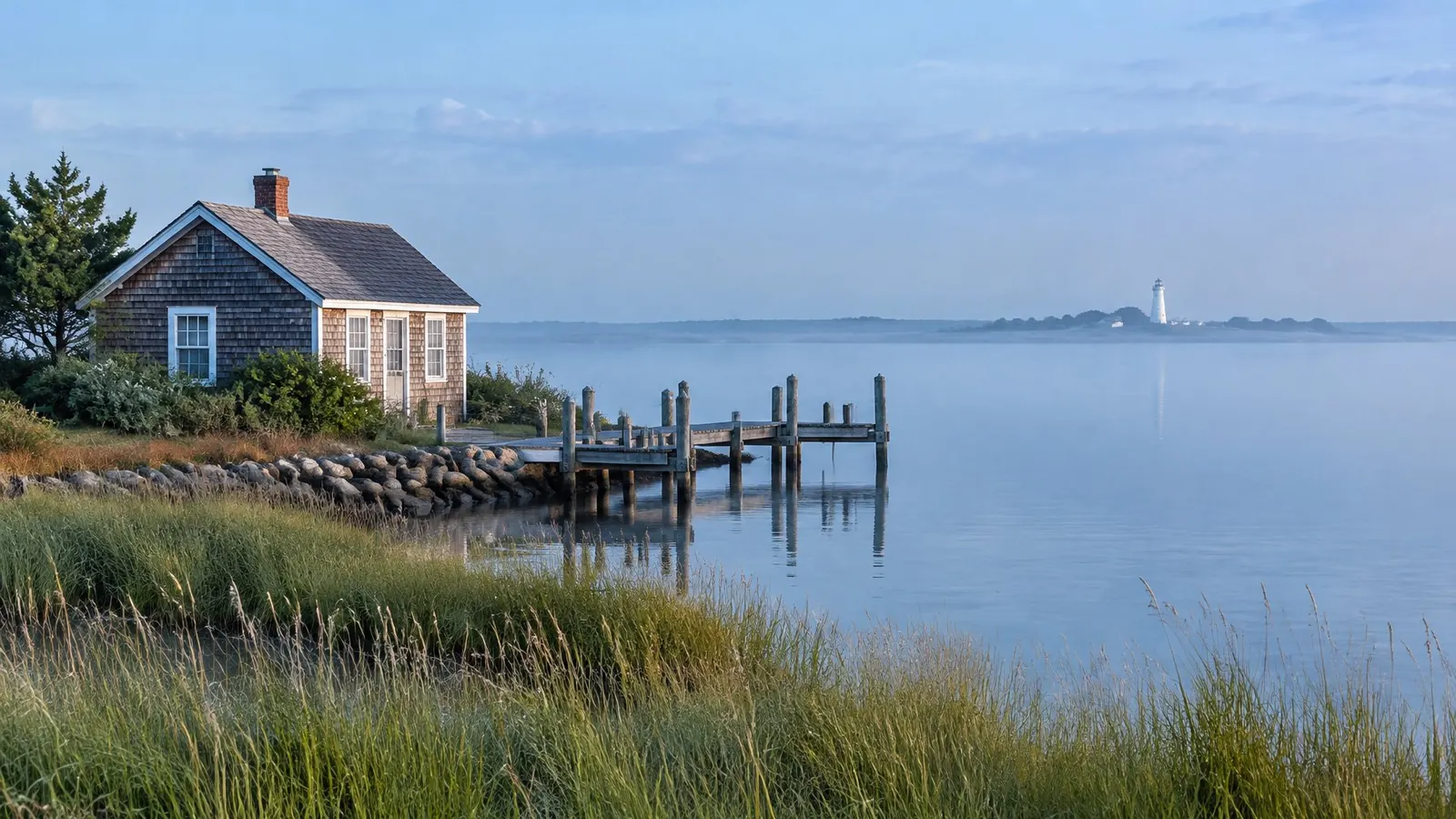
- Cedar shingles and clapboardThe traditional Long Island look. Weathers gray if left bare; needs refinishing if stained or painted.
- Wrap and insulationWhatever the siding, the barrier and flashing behind it decide whether wind-driven rain reaches the wall.
Near the water
For houses close to the bays, the Sound or the ocean, ask the contractor which fasteners and trim the product's installation instructions call for in coastal exposure, and how they will flash the windows on the windward side. Product instructions and manufacturer warranties often have specific coastal requirements.
Siding loose, split or just worn out?
Talk to a siding contractor who works in Suffolk County
One call connects you with an independent siding contractor serving Huntington, Babylon, Islip, Smithtown and much of Brookhaven. Have the walls looked at, then ask for a written price for the repair or the new siding.
Loose panels, soft trim or siding that's simply had its day? Talk it through with a local contractor.
The call goes to an independent siding contractor that works in western Suffolk County and takes on repairs as well as full re-siding jobs.
Call (631) 296-9599Calls may be recorded. See the referral disclosure and the privacy policy.