Siding services · Suffolk County, NY
Cedar shake, shingle and clapboard siding on Long Island
Cedar shingle walls and white trim are part of how Long Island looks, from shingle-style houses near the water to Cape Cods inland. Cedar can be repaired a shingle at a time, re-sided in matching wood, or replaced with a product that imitates it. All three start with one call.
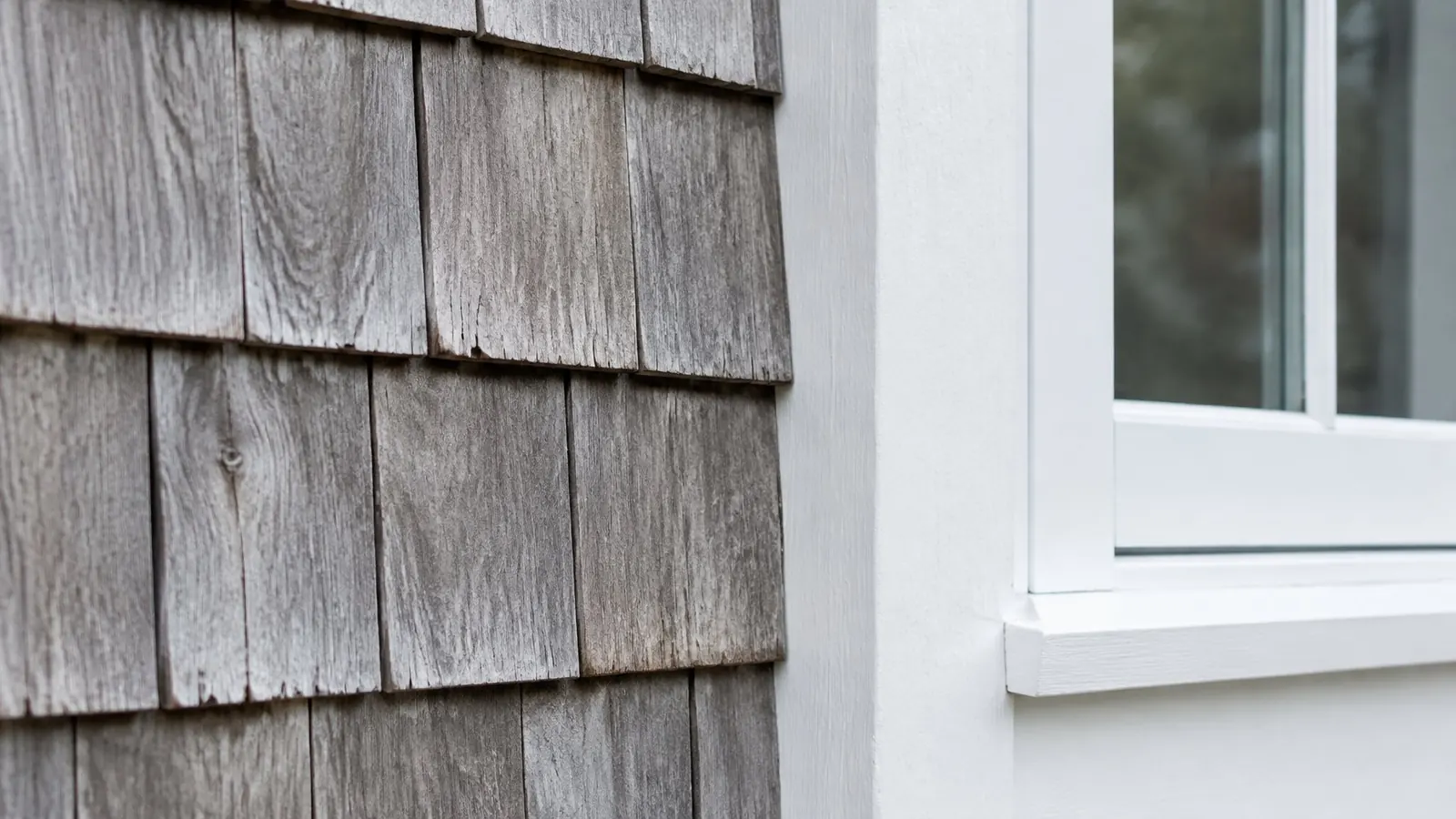
Shingles, shakes and clapboard
Cedar shingles are sawn smooth and laid in straight or staggered courses; shakes are thicker and rougher, traditionally split. Clapboard is long horizontal boards, usually painted. Many older houses have more than one: shingles on the upper walls, clapboard or trim boards below.
Left unfinished, cedar weathers from tan to silver-gray. Stained or painted cedar needs refinishing every so often, and the timing depends on the exposure: a wall facing the water or the afternoon sun needs it sooner than a shaded one.
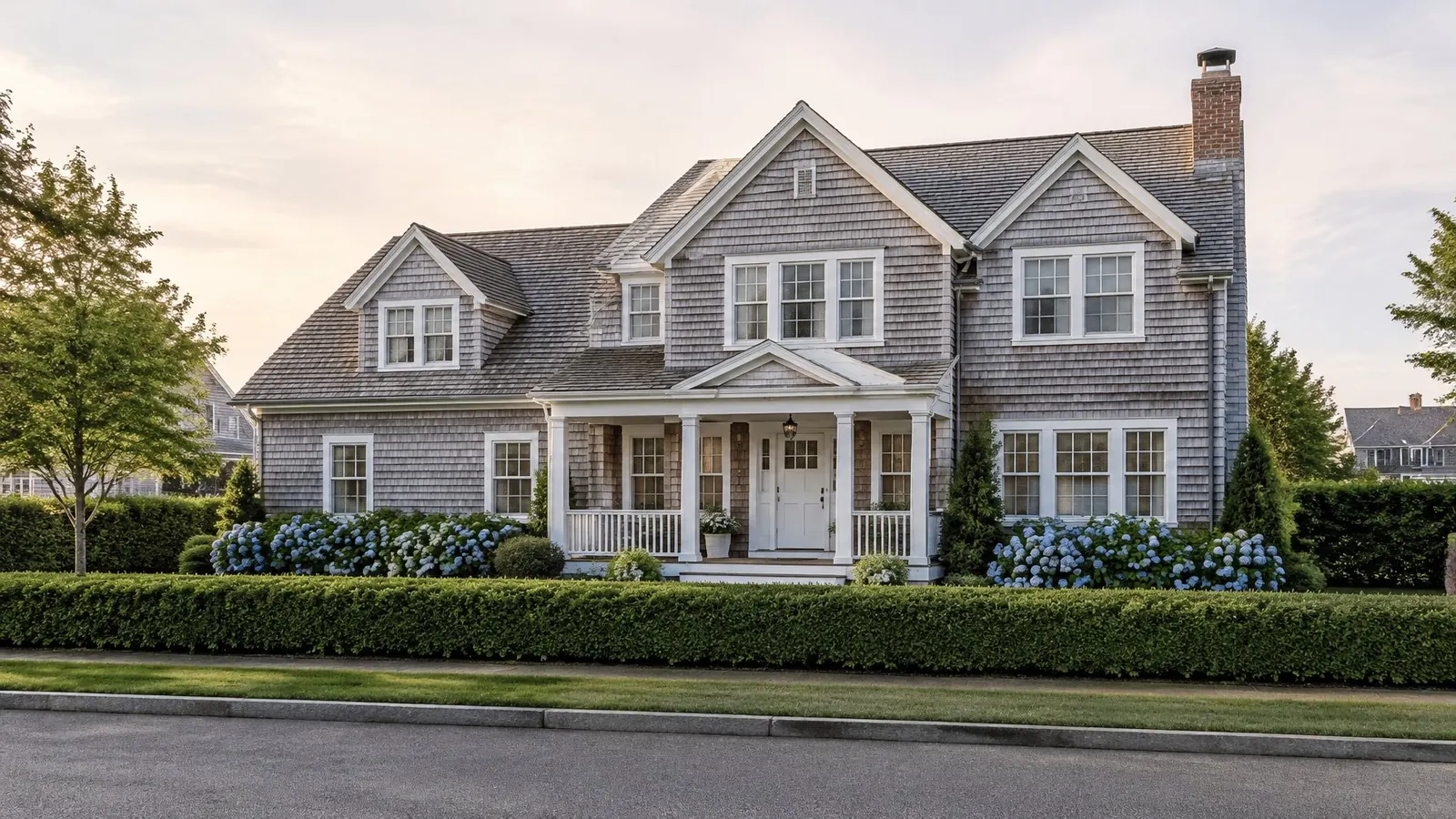
Repair, re-side in cedar, or switch?
Split, cupped or missing shingles can be replaced individually, and new shingles can be pre-stained to sit closer to the weathered ones. When a wall has many curled and thin shingles, the nails are rusting through, or water is getting behind, a full re-side is usually the better answer.
Re-siding in real cedar keeps the house authentic and is often expected in a historic district. Fiber cement shingle panels, engineered wood shakes and vinyl shake profiles imitate the look with less upkeep. A contractor can show you samples next to the existing wall.
Near salt water, ask which fasteners the shingle and the house wrap instructions call for, and whether a drainage gap or rainscreen behind the cedar makes sense on your walls.
Historic houses
Some Long Island houses sit in historic districts or are designated landmarks. In the Town of Huntington, the Historic Preservation Commission reviews applications for Certificates of Approval for designated landmarks and districts; Brookhaven requires its Historic District Advisory Committee approval for projects within a historic district. If your house is in one, check before the old siding comes off. The permits guide has the details.
Before you sign
Questions to settle with the contractor
- Shingle grade, exposure and course pattern (straight or staggered)
- Natural weathering, bleaching stain, solid stain or paint
- Fastener type for a house near salt water
- Whether a drainage gap or rainscreen goes behind the shingles
- Any historic district or landmark review that applies
Where calls are connected
Towns covered
Western Suffolk County ZIP codes, by town. Eastern Suffolk (Riverhead, the Hamptons, the North Fork) is not covered.
- HuntingtonNorth Shore town: Cold Spring Harbor, Huntington, Northport, Melville and more.Siding in Huntington
- BabylonSouth Shore town: Amityville, Lindenhurst, the Babylons, Deer Park and more.Siding in Babylon
- IslipThe middle of the South Shore: Bay Shore, Brentwood, Sayville, Ronkonkoma and more.Siding in Islip
- SmithtownMid-Island town of Commack, Kings Park, Nesconset, St. James and Hauppauge.Siding in Smithtown
- BrookhavenThe covered western and North Shore hamlets, from Patchogue and Coram to Stony Brook.Siding in Brookhaven
Siding loose, split or just worn out?
Talk to a siding contractor who works in Suffolk County
One call connects you with an independent siding contractor serving Huntington, Babylon, Islip, Smithtown and much of Brookhaven. Have the walls looked at, then ask for a written price for the repair or the new siding.
Loose panels, soft trim or siding that's simply had its day? Talk it through with a local contractor.
The call goes to an independent siding contractor that works in western Suffolk County and takes on repairs as well as full re-siding jobs.
Call (631) 296-9599Calls may be recorded. See the referral disclosure and the privacy policy.
Other siding work
More siding services
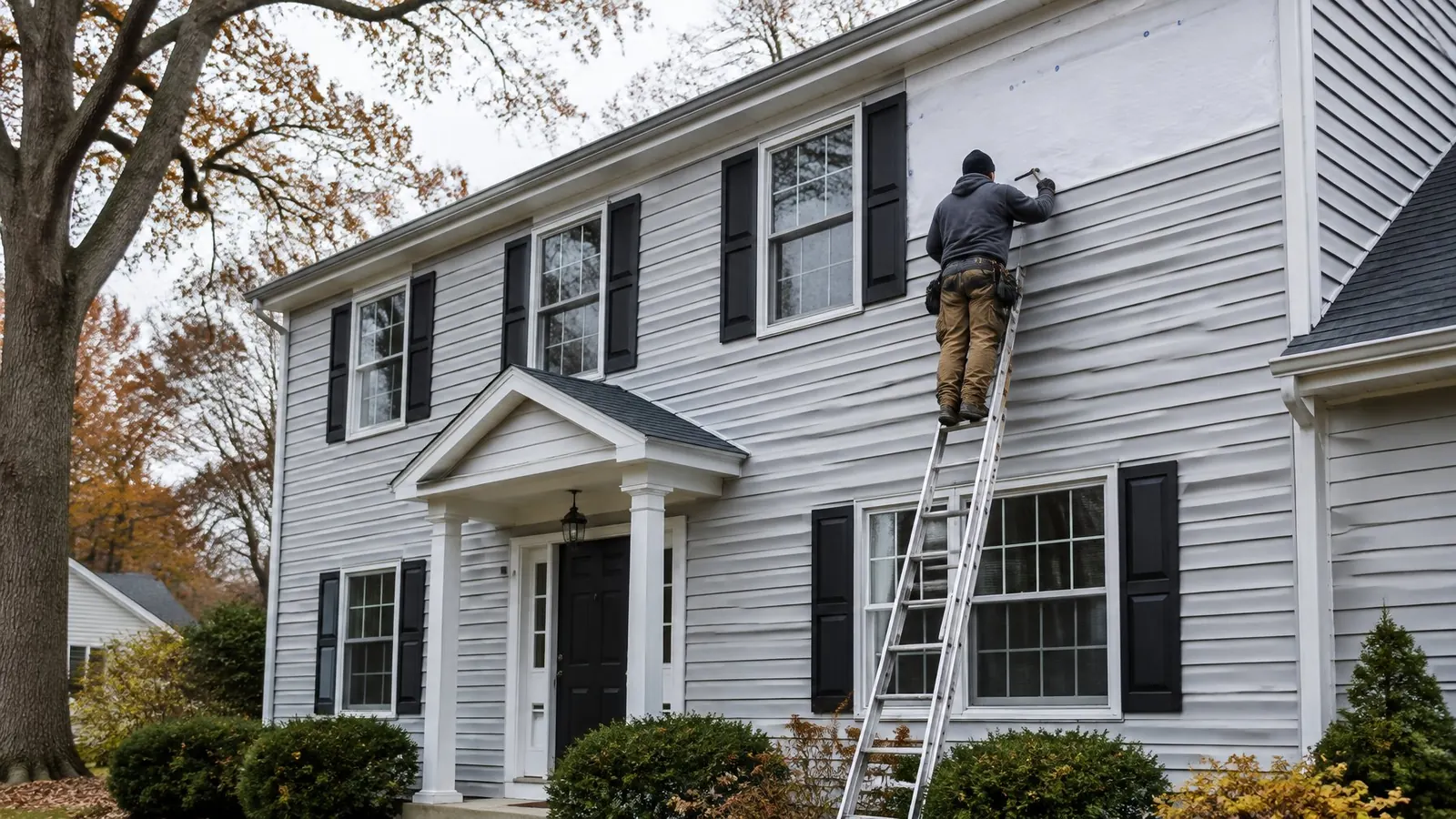 Siding replacementTear-off, new wrap and new siding on the whole house or one elevation.
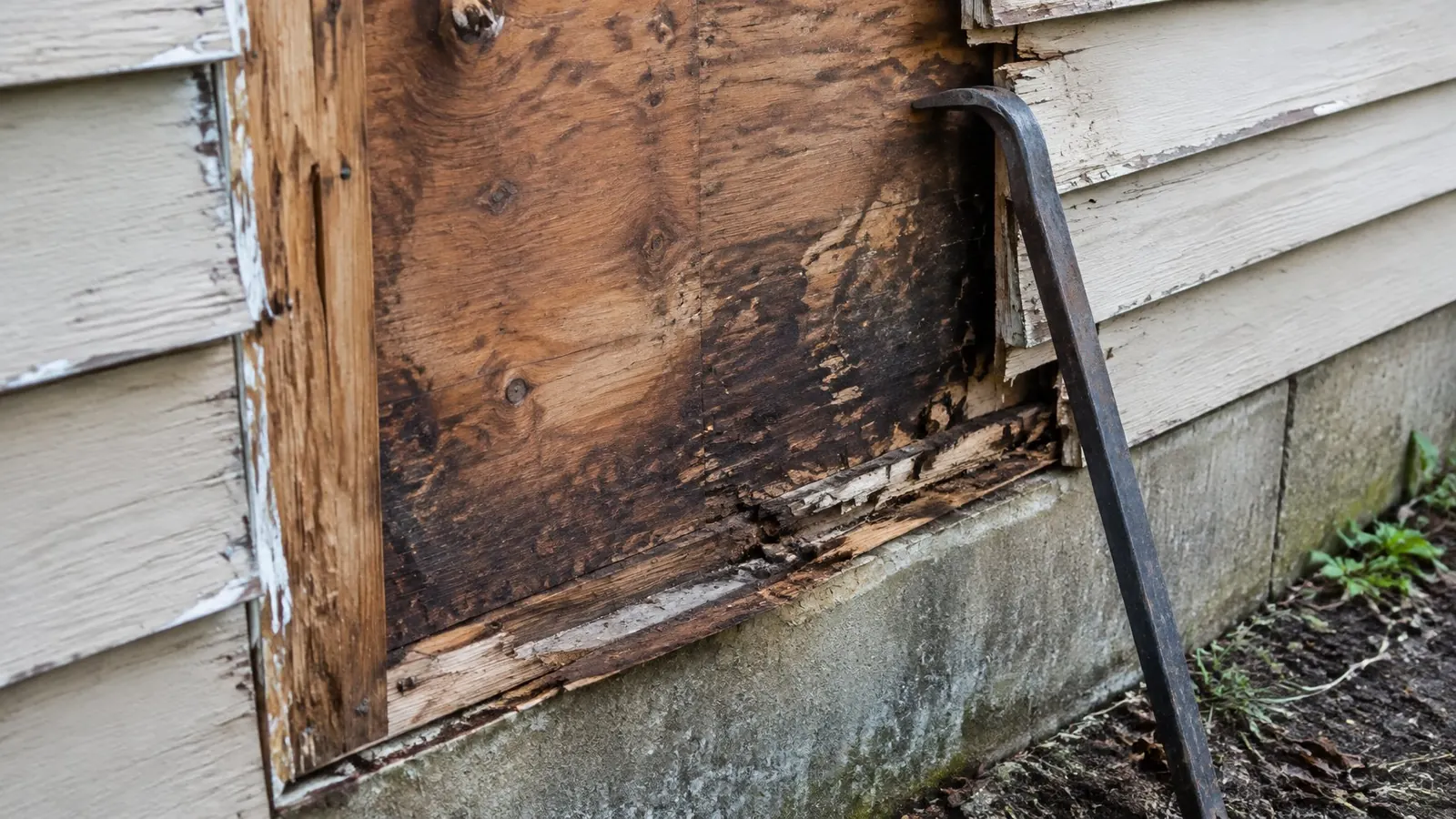 Siding repairCracked, loose or missing panels, split shingles and rot behind the siding.
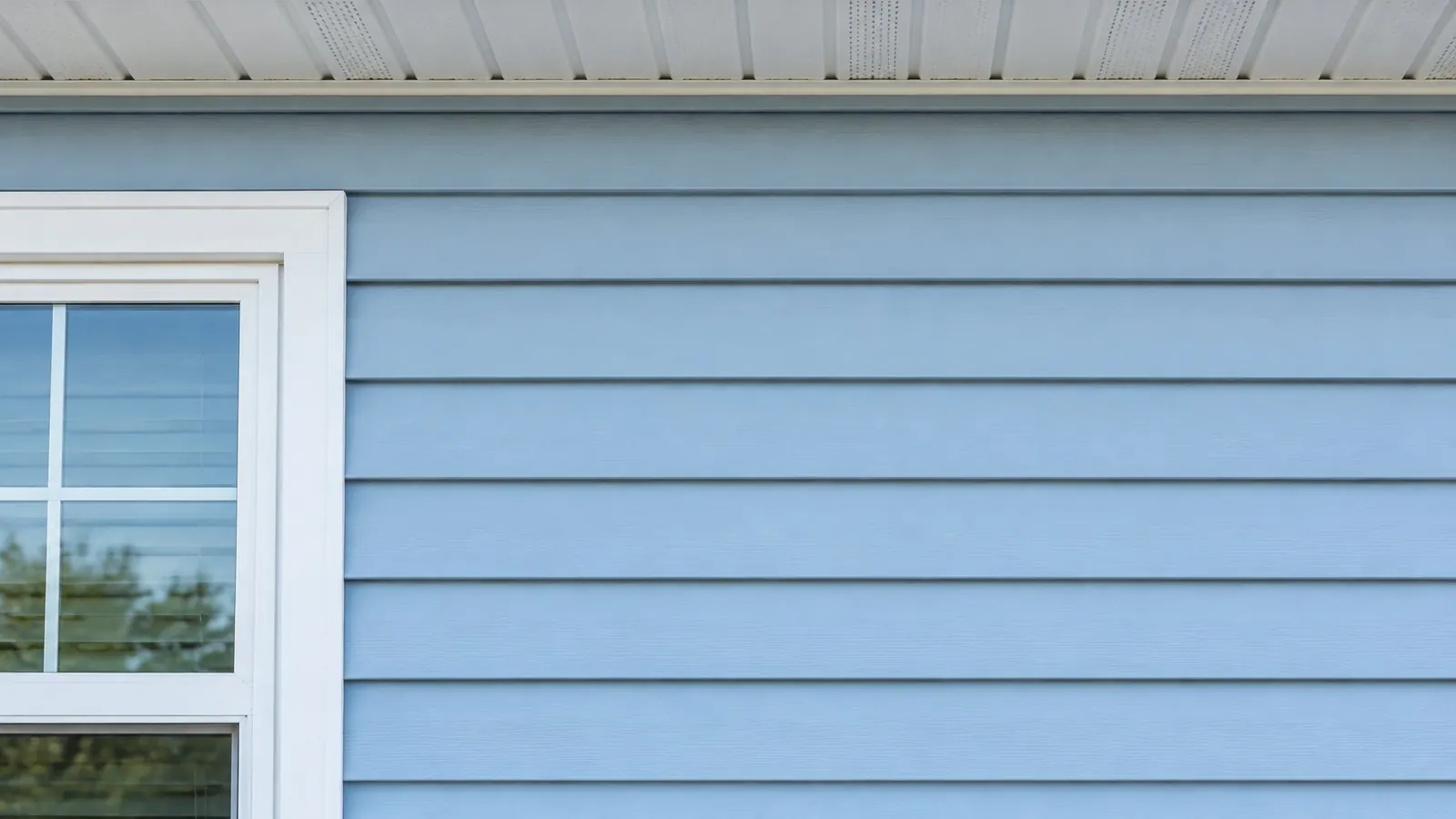 Vinyl sidingLap, Dutch lap, shakes and board and batten profiles, new or repaired.
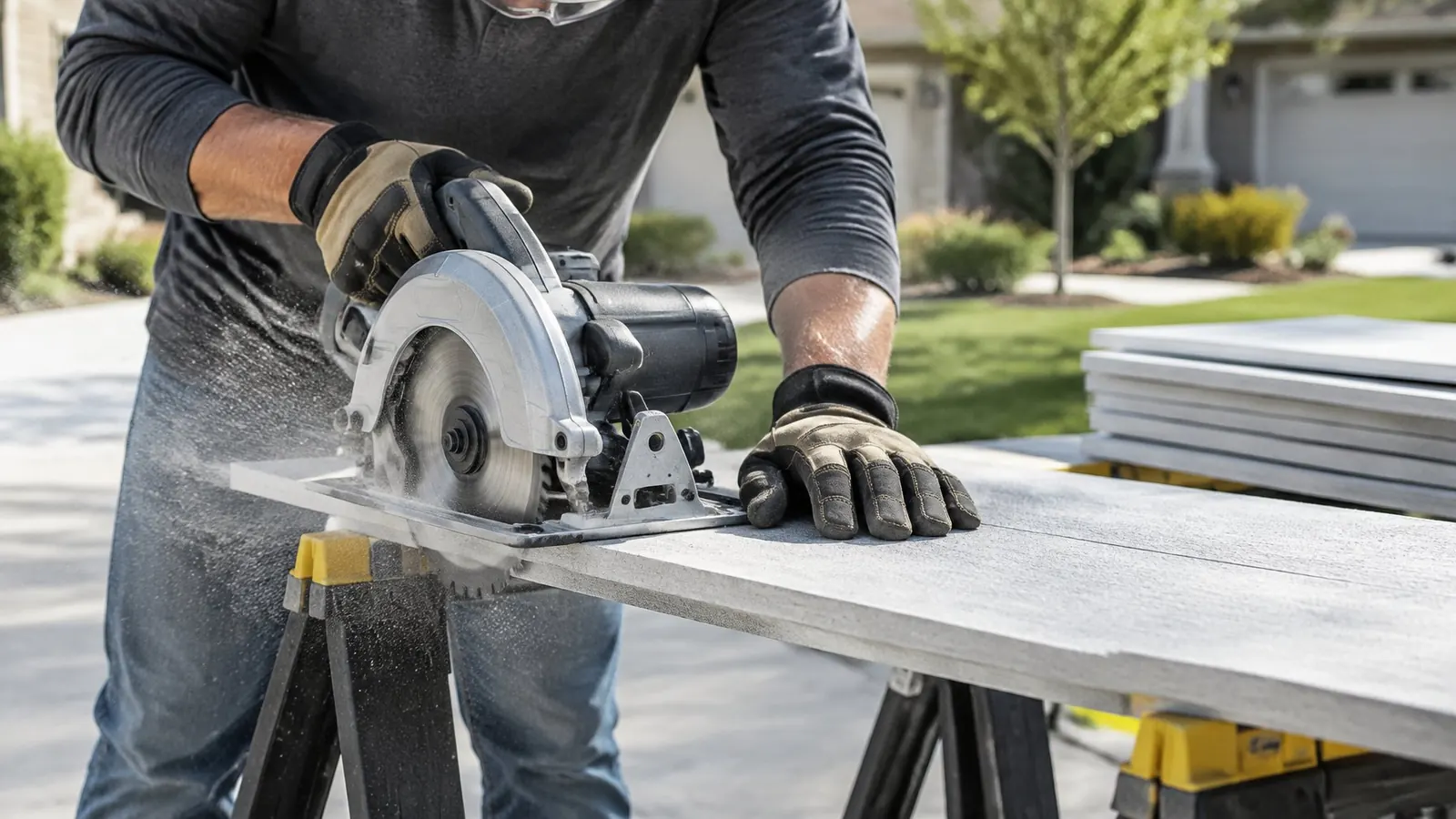 Fiber cement sidingHeavy, paintable planks and shingles that hold a crisp line.
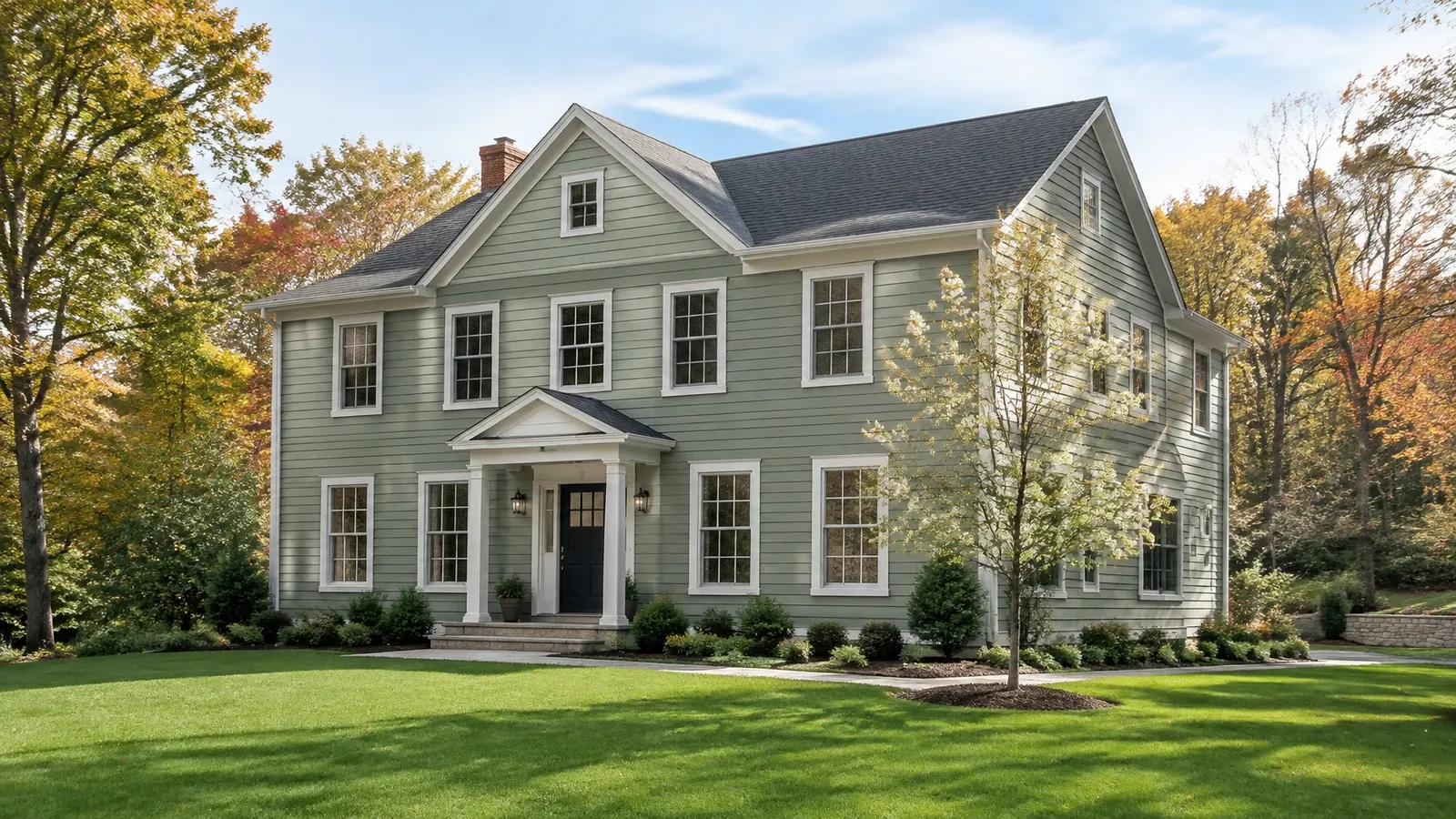 Engineered wood sidingWood strands and resin, lighter than fiber cement, with a wood look.
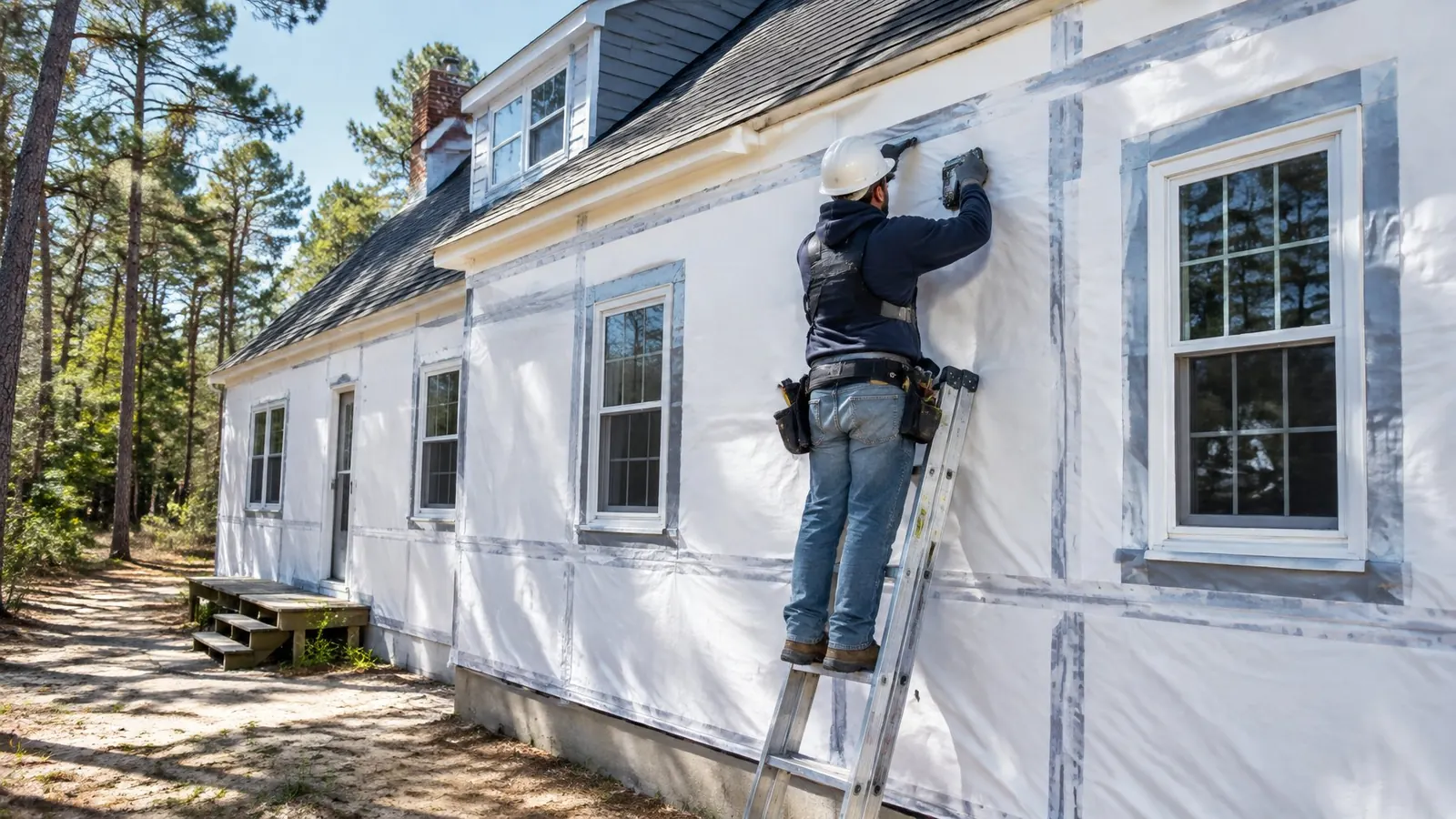 Insulated siding and house wrapFoam-backed panels, rigid foam and the weather barrier behind the siding.
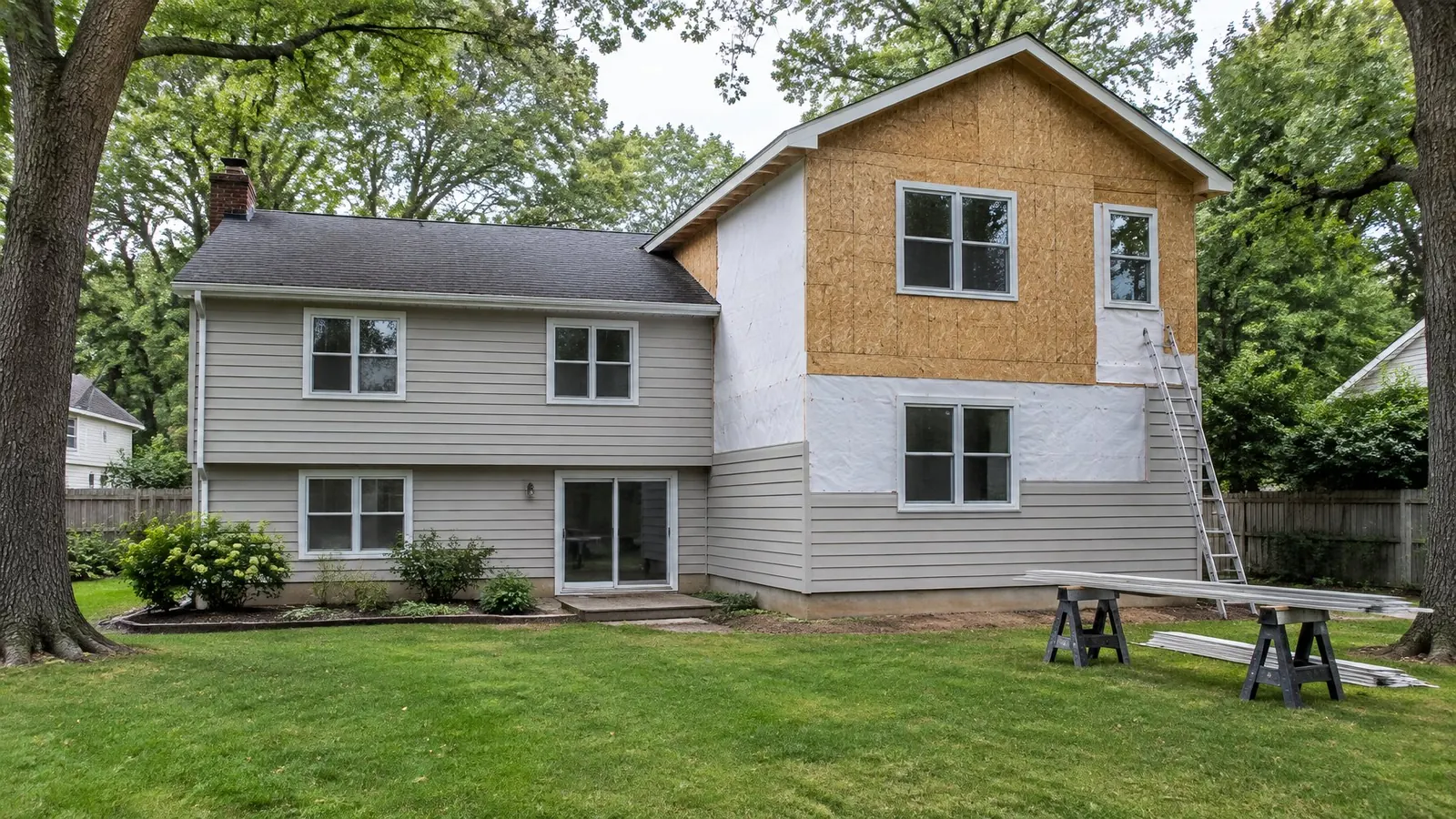 Siding for additions and new homesNew walls sided to match the house, or a whole new house sided from scratch.
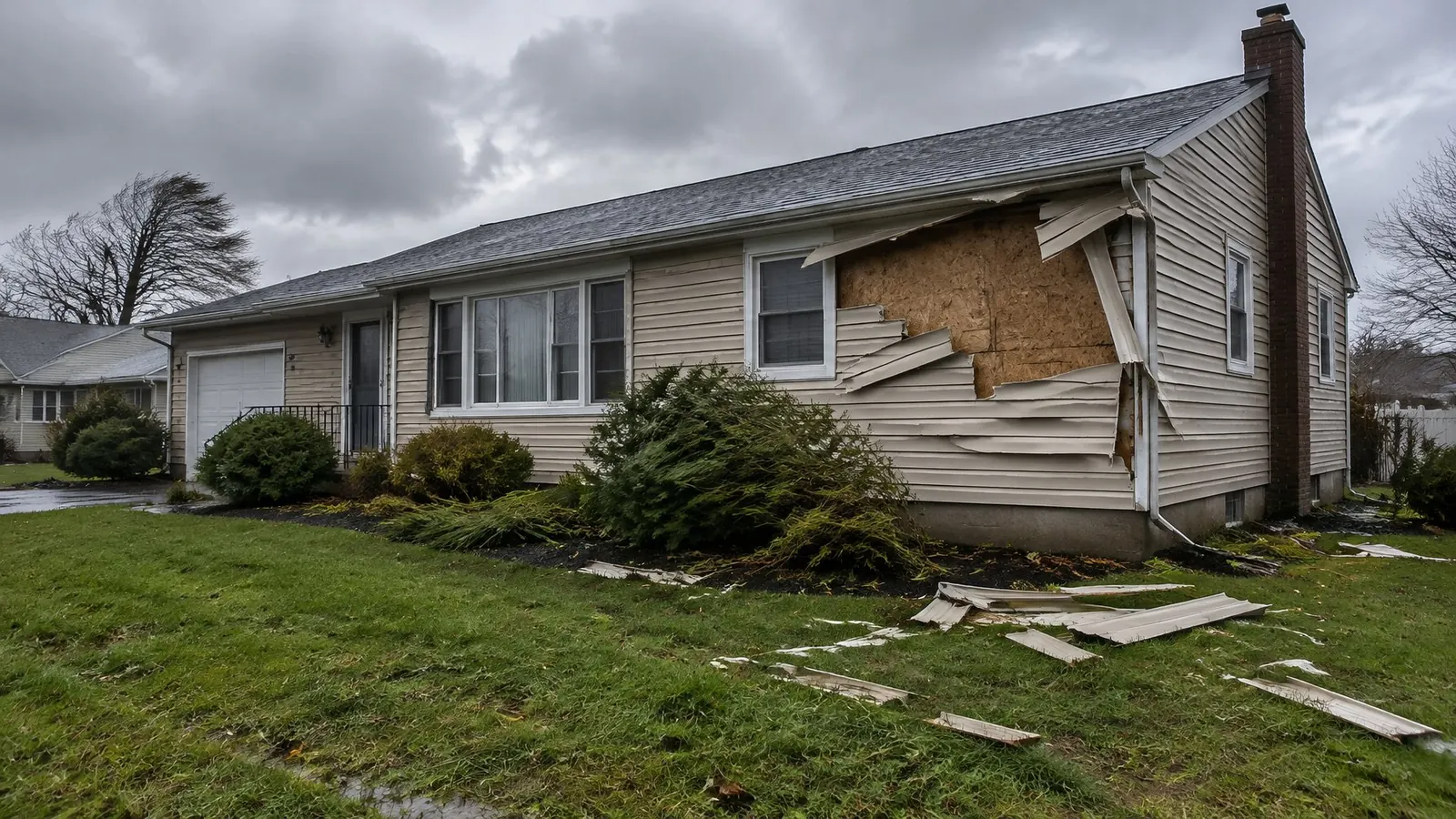 Storm and wind damaged sidingTorn, cracked or missing siding after a nor'easter or tropical storm.
- Soffit, fascia and trim with sidingTrim, soffit and fascia handled together with new or repaired siding.